

Ceilings shape more than the top of a room. As the leading full-home interior designer in Chicagoland, we view ceilings as part of the complete story, not as an afterthought. The right treatment can influence scale, light, movement, and architectural balance while helping each room feel more intentional.
From subtle trim details to statement materials, overhead design choices should connect naturally with the walls, flooring, furnishings, and overall layout. Keep reading to see how overhead details can change the energy of a space and how a design-build approach brings details together with purpose.
How do ceilings influence interior design?
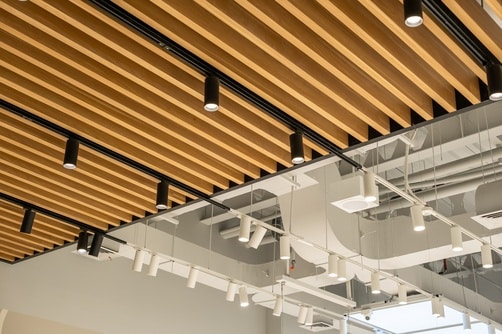
Ceilings influence a room by shaping its scale, mood, good light, and sense of structure. They affect whether a space feels open or intimate, casual or refined, calm or dramatic. Because they sit above every layout decision, ceilings also help connect walls, flooring, furniture, and architectural details into one cohesive experience.
Change the sense of height
Ceilings immediately affect how tall or low a room feels. A higher surface can create openness, while a lower plane can make seating areas feel more enclosed and comfortable. Details such as beams, molding, trays, or paneling can exaggerate or soften that perception. Flexible spaces support changing lifestyles, so when ceiling design supports different uses, the room feels more adaptable without needing major changes.
Set the mood
A ceiling can make a room feel quiet, polished, cozy, or bold. A pale finish often reflects more light and keeps the space feeling airy. A deeper tone can add intimacy, especially in dining areas, libraries, powder rooms, or bedrooms. Texture also matters because smooth plaster feels crisp, while wood or applied millwork brings warmth.
Help define zones
In open layouts, ceilings can separate areas without adding walls. A coffered section over a seating area can create definition, while a tray detail above a dining table can frame the space below. This helps each zone feel purposeful while still remaining connected. Transitional spaces deserve real attention to make the most of ceiling changes, which can guide movement from one area to another with subtle visual cues.
Influence lighting
Lighting depends heavily on ceiling planning. Recessed fixtures, pendants, chandeliers, coves, and sconces all interact with the overhead surface. A ceiling can either support layered lighting or make a room feel flat if placement isn’t considered carefully. The best result often comes from balancing practical brightness with atmosphere.
Create visual continuity
Ceilings help tie separate rooms together through repeated shapes, tones, or materials. A consistent trim profile can make different areas feel related without looking identical. Small changes from room to room can still create distinction while keeping the overall plan refined. Visual flow doesn’t require matching. When ceilings are thoughtfully planned, they help the entire residence feel composed.
Where can I find a trusted full home interior designer in Chicagoland?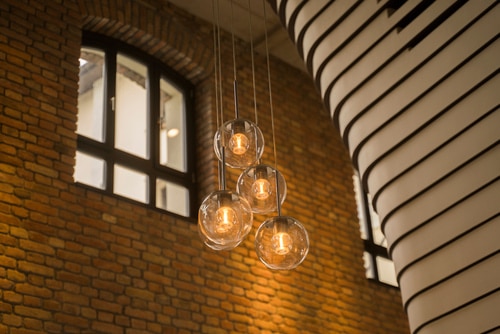
Choosing the right team can make your renovation feel clearer, calmer, and more enjoyable. With Ember & Brune, you’ll have guidance through concepts, finishes, construction details, and the many decisions that shape a successful project. We bring creativity and structure together so your space feels beautiful, practical, and personal.
From residences close to the Chicago Riverwalk to quiet neighborhood streets, we help clients in Chicagoland create rooms with purpose and polish. Our process is designed to clarify priorities, refine selections, and guide each detail so the finished space feels cohesive, functional, and carefully considered from the start. Schedule your consultation to tell us what you’re envisioning, and we’ll help bring the plan into focus. Give us a call today!