

The most memorable homes are not defined by one dramatic room alone, but by how every space connects, supports movement, and improves daily life from one moment to the next. That is why homeowners searching for new home interior designers in Chicagoland often look beyond surface-level aesthetics and focus on how each transition feels as they move through the home.
A thoughtful process matters, and working with a design-build team can help align layout decisions, storage planning, and design details from the very beginning. Keep reading to see how these in-between spaces can quietly become some of the most valuable areas in the house.
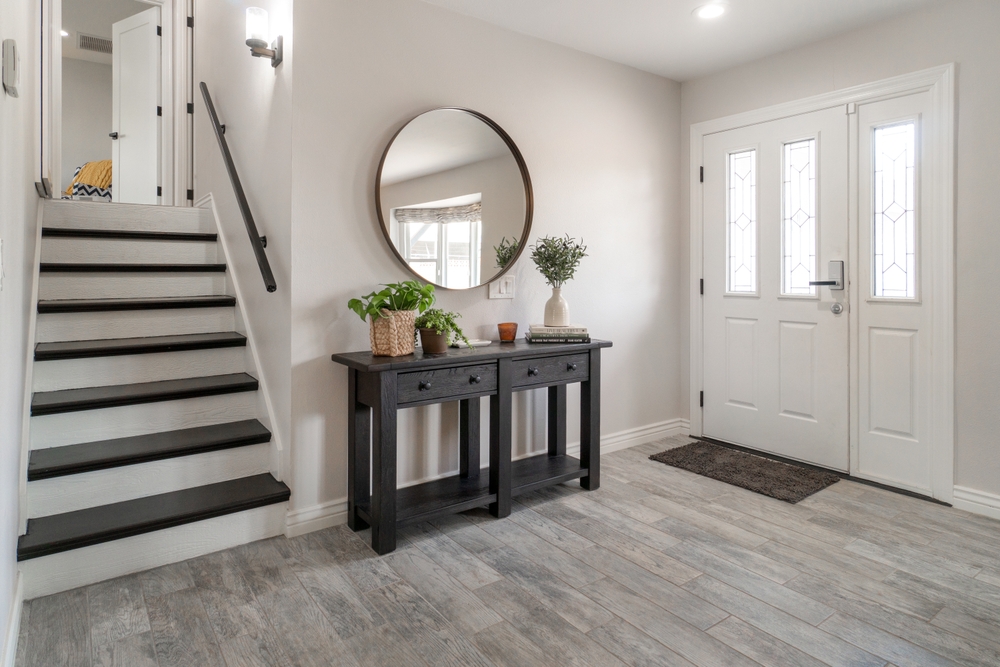
How should mudrooms, hallways, and entryways be designed?
Transitional spaces like mudrooms, hallways, and entryways may not always get the spotlight, but they shape first impressions, reduce friction, and create a stronger sense of order. Good design starts by matching them to daily routines, traffic flow, and storage needs. When these areas are planned with purpose, they make the entire home feel more intentional.
Define a landing zone
A strong entry should give people an immediate place to set things down. Hooks, benches, and closed storage help reduce visual noise fast. Shoes, bags, and keys need assigned homes. Spaces that adjust with changing routines often support a household more effectively over time.
Shape movement clearly
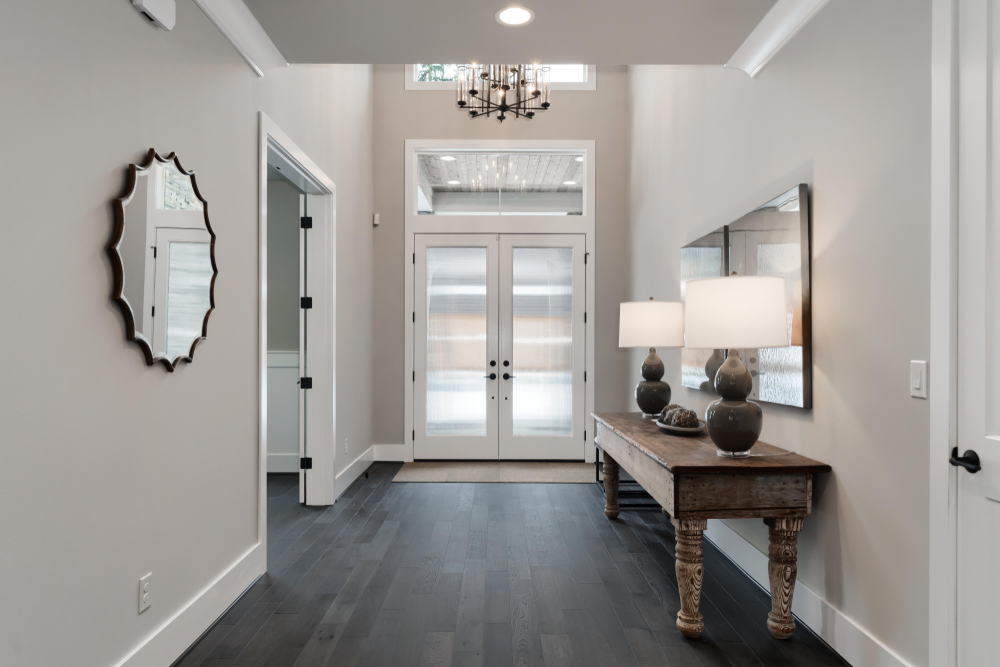
Hallways should guide movement without feeling tight or empty. Lighting helps people read the path naturally. Furniture should never interrupt circulation. Even simple wall details can make the route feel intentional.
Use the ceiling and light well
Overhead design can subtly change how a narrow space feels. Trim, beams, or lighting placement can add rhythm without clutter. A brighter passage usually feels more open and welcoming. The way a ceiling is designed can strongly influence how a room feels and appears.
Balance open and hidden storage
Mudrooms work best when open storage is limited to what gets used daily. Everything else should tuck away behind doors or drawers. That keeps the space practical without making it feel chaotic. Materials should also be durable and easy to clean.
Create continuity without repetition
These areas should connect visually to nearby rooms, but they do not need to copy them exactly. Repeating a tone, texture, or finish is often enough. Small variations keep the home from feeling flat. Visual continuity from one room to the next works best when every finish is not exactly the same.
Can transitional spaces improve how a home functions?
Yes, transitional spaces can significantly improve how a home functions because they influence what happens between the major rooms people focus on most. A well-planned entryway can control clutter before it spreads, a mudroom can support storage and cleanup, and a hallway can make movement feel easier and more natural. These are the spaces that handle arrival, departure, circulation, and the daily shift between public and private areas of the home. When they are ignored, the home may still look attractive, but it often feels less efficient in real life.
Transitional spaces also help reduce small frustrations that build up over time. A place to sit while removing shoes, a clear drop zone for bags, and storage that is easy to reach can save time every day. Hallways can improve function by creating better visual direction, stronger lighting, and more comfortable movement from room to room. They can even support privacy by separating busy areas from quieter ones. When these spaces are carefully designed, they create a home that feels more organized, more intuitive, and easier to maintain. Their value is often subtle, but the effect on daily living can be immediate and lasting.
Who should I contact for new home interior designers near me in Chicagoland?
A successful interior project depends on more than selecting attractive finishes. Ember & Brune works with homeowners to shape spaces that balance beauty, function, and long-term livability, creating a smoother path from planning to completed design.
That approach can be especially valuable across a broad region of Chicagoland, where homes vary widely in style and scope, whether they are located near Garfield Park Conservatory or in a neighborhood farther from the city center. With a clear strategy, each room can support daily routines while still feeling cohesive and thoughtfully resolved. Get in touch today and take the first step toward a more intentional home.