

Life rarely stays the same, and the way a home is used changes along with it. Spaces that feel perfect today can become limiting as routines shift, families grow, or priorities evolve. Before you get in touch with your home interior designer in La Grange, it helps to think beyond immediate needs and consider how your home might support you years down the line. Design decisions made early can determine whether a space adapts easily or requires major changes later.
In this article, we’ll explore how thoughtful planning and flexible design choices can help create a home that grows with you over time.
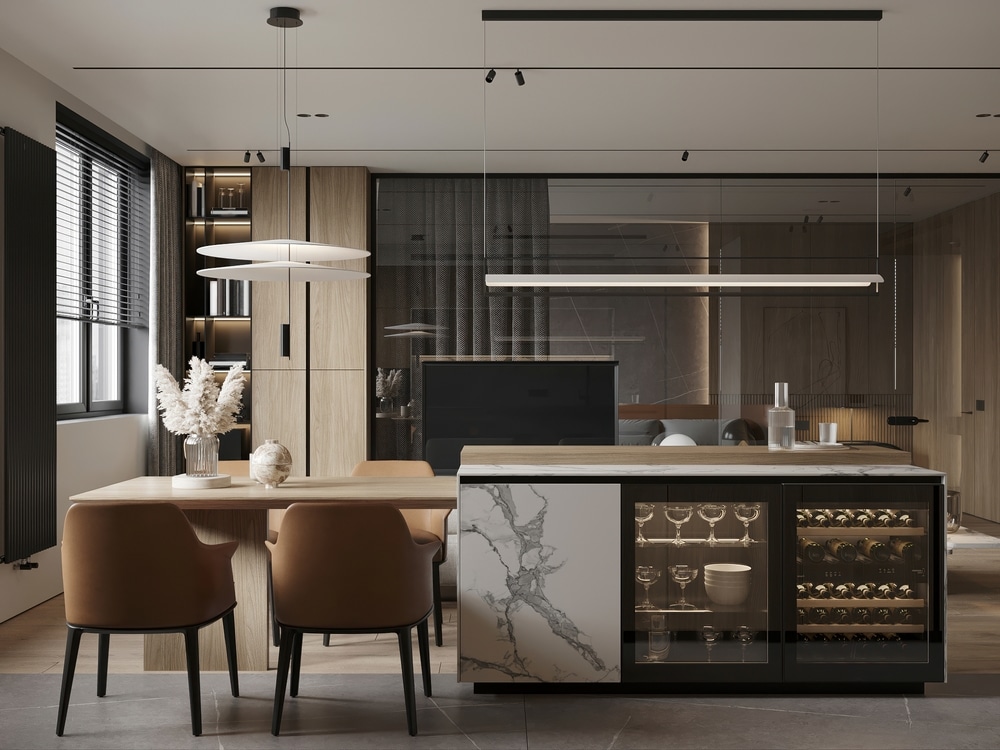
How to design a home that grows with you?
You can’t guess the future, so designing for adaptability means creating spaces that can respond to change without requiring constant renovation. Small decisions around layout, storage, and function can make a home far more resilient over time. When flexibility is built in from the start, a home stays easy to live in through different life stages.
Flexible layouts that support changing routines
Rooms designed with a single purpose often become underused as needs evolve. Flexible layouts allow spaces to shift functions, such as a guest room that later becomes a home office or a playroom that transitions into a lounge. Clear circulation and open planning make it easier to reconfigure furniture without structural changes. This adaptability keeps the home functional as daily routines change. Over time, these layouts reduce the need for major remodels simply to keep up with life.
Multi-purpose rooms instead of fixed-use spaces
Designing rooms to serve more than one role adds long-term value. A dining area that doubles as a workspace or a living room that supports both relaxation and entertaining reduces the need for additional square footage. Thoughtful lighting, storage, and furniture placement help these spaces transition seamlessly throughout the day. Multi-purpose design supports evolving lifestyles without overcrowding the home. This approach also makes better use of every square foot.
Storage that evolves with your needs
What you store today may not be what you store five or ten years from now. Adjustable shelving, modular cabinetry, and flexible closet systems allow storage to change as your needs do. This prevents spaces from becoming cluttered or outdated. Well-planned storage keeps a home feeling organized no matter how life shifts. It also makes day-to-day routines more efficient and less stressful.
Design choices that age gracefully
Adaptable homes rely on materials and finishes that stand the test of time. Neutral foundations paired with easily changeable accents make updates simpler and less costly as styles evolve. This approach allows homeowners to incorporate the trendiest styles in a measured way, while avoiding short-lived trends that can quickly feel dated. Design longevity supports both practicality and visual consistency, giving homeowners the flexibility to refresh their space over time without committing to full remodels.
Planning for comfort and accessibility over time
Future-ready homes consider ease of movement and use, even if those needs aren’t immediate. Wider pathways and intuitive layouts improve comfort for all ages. These considerations allow a home to remain livable without dramatic modifications later. Planning ahead reduces disruption while extending the home’s usability. Comfort-focused design benefits everyone, not just future needs.
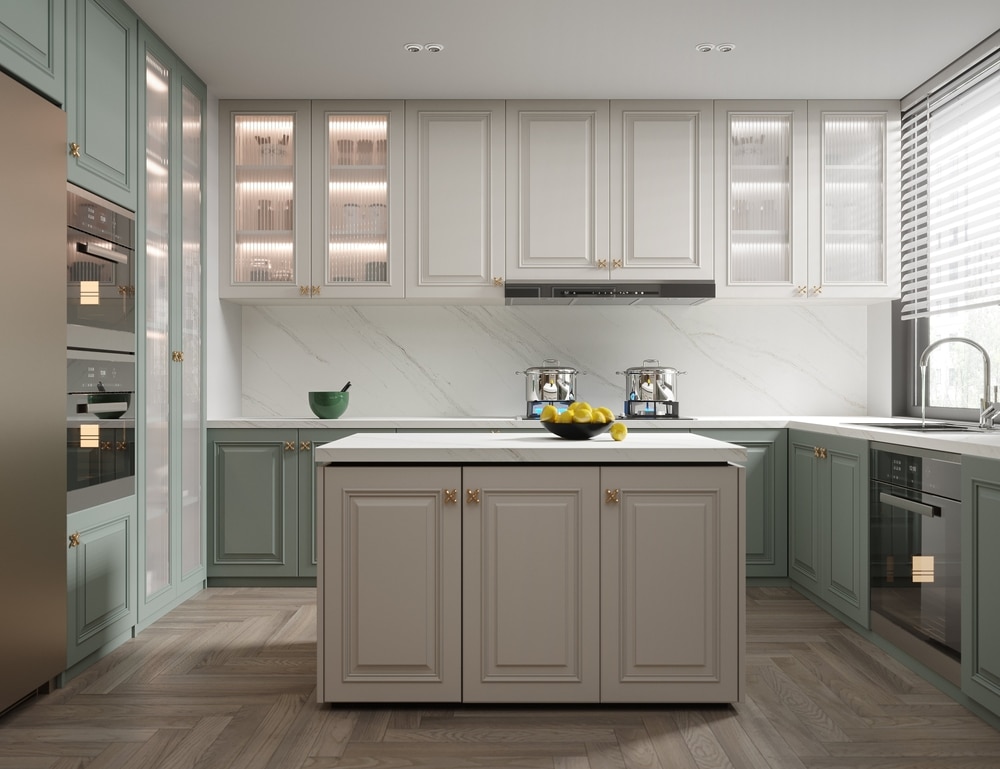
Where can I find the best home interior designer near me in La Grange?
Adaptable design works best when it’s grounded in thoughtful planning and a clear understanding of how people actually live. Ember & Brune approaches each project in La Grange with an emphasis on flexibility.
Whether you’re more drawn to soft minimalism or another style, our design-build studio helps clients see how their homes can evolve over time while staying cohesive. The goal is a space that feels intentional today and remains comfortable and relevant as life changes. Let’s set up a consultation today!