

Some rooms look beautiful in photos but feel slightly off in person. A sofa may seem too heavy for the space, a dark cabinet may pull attention to one corner, or a large window may leave the opposite wall feeling unfinished. For homeowners exploring design-build services in Hinsdale, understanding visual weight can make design choices feel more intentional, balanced, and connected to the way a room is actually experienced.
What is visual weight in interior design?
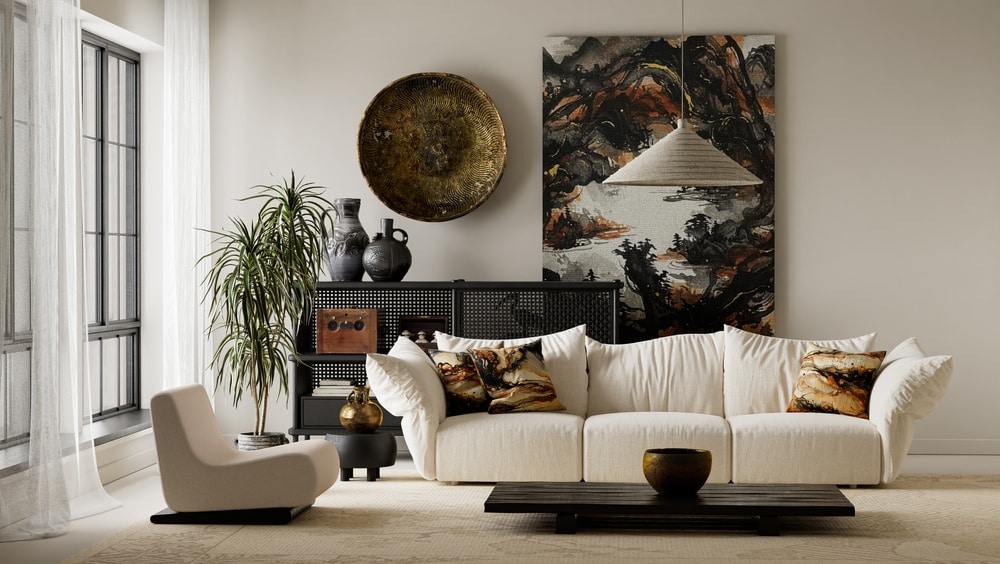
Visual weight is the sense of heaviness or lightness an object brings to a room. It is not only about physical size. Color, texture, shape, height, contrast, and placement all affect how strongly something draws the eye.
1. Color can make pieces feel heavier or lighter
Dark colors usually feel heavier than pale colors, even when two pieces are the same size. A deep charcoal sofa will often feel more grounded than a cream one, while a black island can command more attention than a light oak finish.
That does not mean dark colors should be avoided. They can add depth, contrast, and sophistication when they are balanced with lighter surfaces, open space, or repeated accents elsewhere in the room.
2. Texture changes how a room feels
Texture carries its own kind of weight. Stone, brick, heavy wood grain, velvet, and thick rugs can feel visually substantial, while glass, linen, smooth plaster, and slim metal details tend to feel lighter.
A room becomes more interesting when these textures work together. The goal is not to make every surface equally bold, but to decide where the eye should pause and where the space should breathe.
3. Placement affects balance
A large object on one side of the room can make the whole space feel tilted. Designers often balance it with height, color, lighting, artwork, or architectural detail elsewhere, particularly when strengthening the natural focal points within a room.
This does not always require perfect symmetry. In fact, asymmetrical rooms can feel more natural and layered when the distribution of visual weight is carefully considered through basic design balance principles.
How do designers create balance in a room?
Designers create balance by thinking about how each element relates to the rest of the space. Furniture, cabinetry, lighting, windows, color, and architectural details all influence where attention goes first.
1. They consider the room as a whole
A strong design is not built one object at a time. A beautiful fixture, sofa, or cabinet can still feel wrong if it does not relate to the rest of the room.
This is why understanding the relationship between scale and proportion matters so much. Each selection should support the larger composition, from the height of built-ins to the placement of furniture and lighting.
2. They repeat visual cues
Repetition helps a room feel intentional. A dark fireplace surround may feel more connected when similar tones appear in hardware, window trim, art frames, or furniture legs.
The same idea applies to shape. A curved archway, rounded table, or soft-edged chair can feel more natural when another curve appears nearby.
3. They use empty space as part of the design
Empty space is not wasted space. It gives stronger elements room to stand out and keeps the room from feeling crowded, which is one reason some homes feel comfortable before you can explain why.
Luxury interiors often feel calm because they are edited with care. Not every wall needs a feature, and not every corner needs furniture.
Who offers reliable design-build services in Hinsdale and the surrounding area?
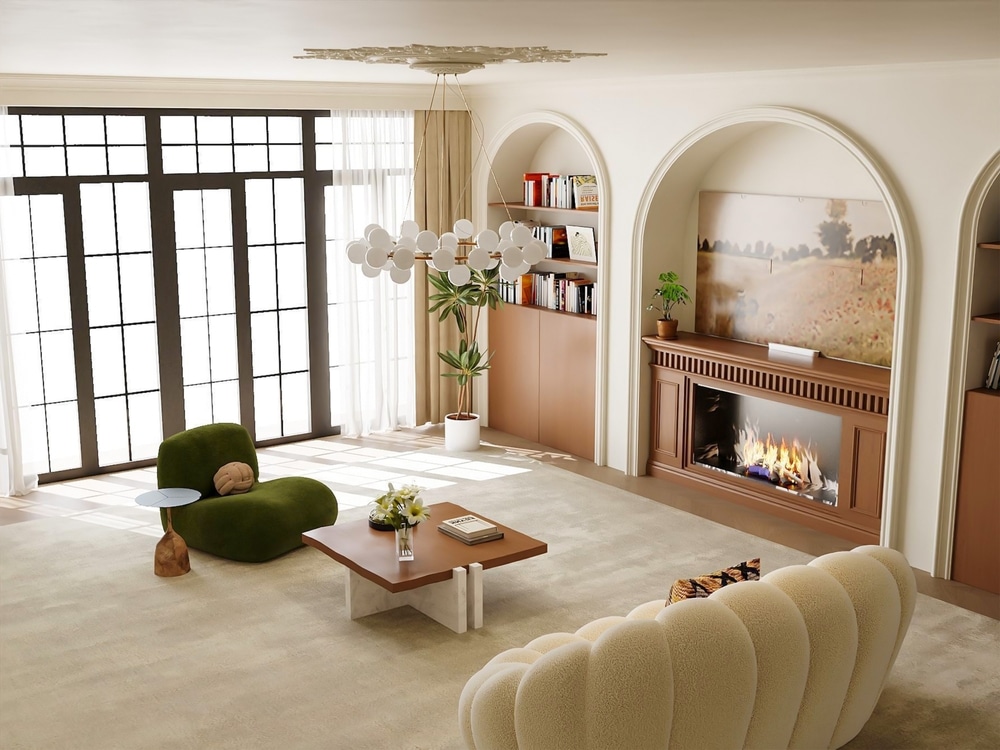
Ember & Brune helps homeowners create spaces that feel balanced, personal, and beautifully livable from concept to completion. Our team takes time to understand your lifestyle, routines, and family needs before shaping a design that fits the way you actually live. From homes near Katherine Legge Memorial Park to residences throughout Hinsdale, we manage architectural drawings, construction coordination, furnishings, and finishing details with one cohesive team. Contact us today to schedule a consultation.