

Some homes feel welcoming the moment you walk in, while others never seem to settle, even with beautiful furniture and expensive finishes. The difference often comes down to layout, light, scale, flow, and how naturally each space supports daily life. For homeowners considering a full-house remodel in Hinsdale, comfort is not only about style. It is about creating a home that feels easy to live in every day.
What makes a home feel comfortable?
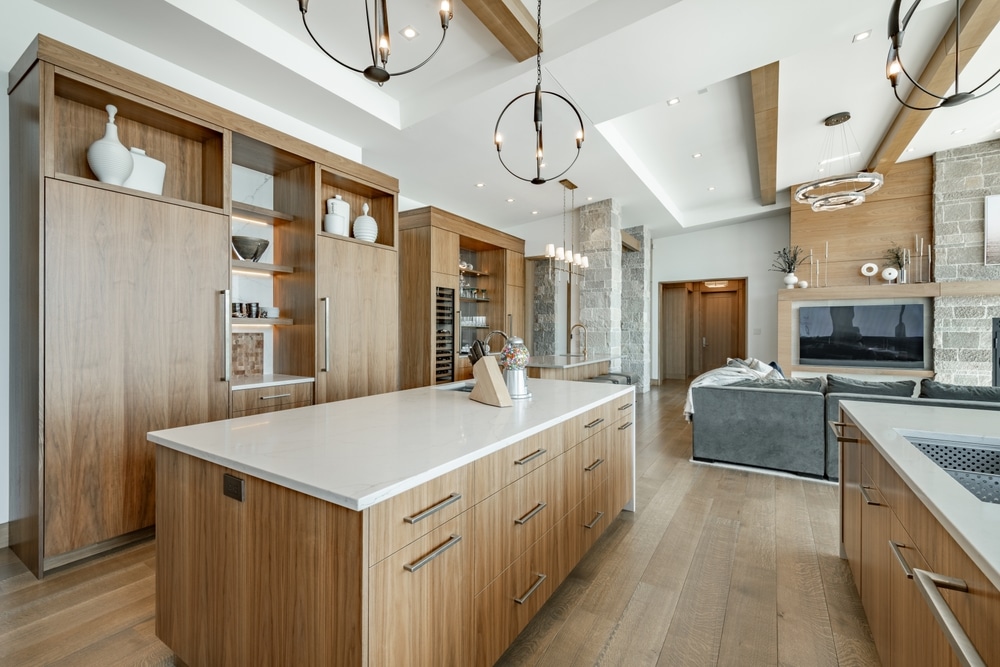
Comfort comes from how a home supports movement, mood, routine, and connection. A room can be visually impressive and still feel awkward if the proportions, lighting, or layout do not work together.
1. The layout feels intuitive
A comfortable home is easy to move through. The kitchen connects naturally to gathering areas, walkways feel clear, and rooms have a purpose that makes sense.
When the layout feels forced, daily routines become more frustrating. You may notice bottlenecks, unused rooms, or spaces that look good but never get used the way you hoped.
2. The scale feels right
Scale affects whether a room feels cozy, crowded, empty, or overwhelming. Oversized furniture can make a space feel tight, while small pieces in a large room can feel disconnected.
Designers often look at ceiling height, room size, window placement, furniture proportion, and built-ins together. This is where getting scale and proportion right can help each room feel balanced instead of pieced together.
3. Light supports the mood of each room
Natural and artificial light have a major impact on comfort. Bright light can make a kitchen or work area feel energized, while softer layered lighting can make a living room or bedroom feel calmer.
Comfortable homes rarely rely on one overhead fixture. They use a thoughtful mix of ambient, task, and accent lighting to support different times of day and different ways of living.
Why do some homes feel uncomfortable even after updates?
A home can still feel uncomfortable after remodeling if updates focus only on finishes. New cabinets, flooring, or tile may look better, but they cannot fully solve problems with flow, proportion, storage, or function.
1. Rooms do not support real routines
A beautiful home should still make daily life easier. If bags land in the kitchen, laundry piles up in the hallway, or the family avoids certain rooms, the design may not match the routine.
Good remodeling starts by studying how people actually live. That includes morning traffic, homework zones, entertaining habits, pet needs, storage patterns, and quiet time.
2. The home lacks visual calm
Too many competing materials, colors, shapes, or focal points can make a home feel busy. Even high-end finishes can feel uncomfortable when they all fight for attention.
Comfort often comes from thoughtful editing. Repetition, balanced contrast, and understanding how visual weight works help the eye move through the home without feeling overstimulated.
3. The space does not feel personal
A home can feel technically finished but emotionally flat. Personal comfort comes from details that reflect the people who live there, not only what is currently trending.
That may include meaningful art, custom storage, favorite colors, natural textures, or creating stronger focal points throughout the home. Research on how indoor environments affect well-being also supports the idea that surroundings can influence how people feel and function at home.
How can I find a thoughtful full-house remodel in Hinsdale and the vicinity?
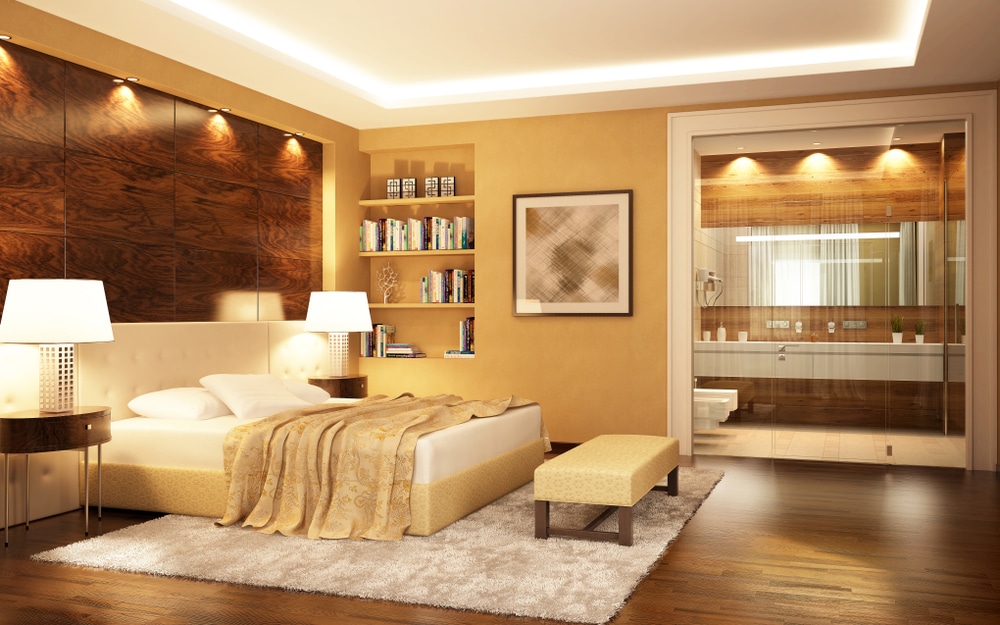
Ember & Brune creates homes that feel personal, balanced, and deeply livable from concept to completion. Our design-build team takes time to understand your routines, family needs, style preferences, and the way each room should support daily life before shaping the plan. From homes near Graue Mill and Museum to residences throughout Hinsdale, we coordinate design, architectural drawings, construction, furnishings, and finishing details through one cohesive process. Contact us today to schedule a consultation.